


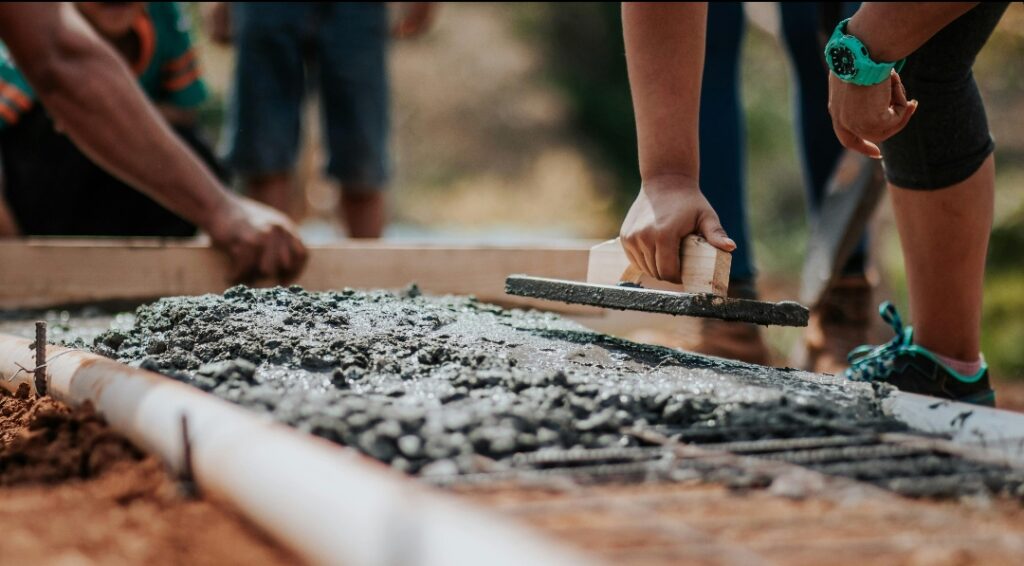
The Philippine summer, from March through May, is the peak construction season. But it’s also when the heat works hardest against you. With temperatures regularly exceeding 35°C and dry winds pulling moisture from every surface, cement-based work demands more care than usual to avoid cracking, weak finishes, and long-term durability problems.
Whether you’re a contractor, mason, or weekend DIY builder, here are practical tips to keep your concrete strong even under the toughest sun.
What Heat Does to Your Cement Work
High temperatures accelerate cement hydration, causing concrete to set faster than expected. That means less time to place, compact, and finish. Worse, rapid hydration can reduce your concrete’s full 28-day strength. Add dry air and wind, and surface moisture evaporates quickly, leading to shrinkage cracks and weaker results.
6 Tips for Better Results in Summer
- Schedule around the heat. Pour concrete early in the morning or late afternoon when temperatures are lower. Midday pours during the Philippine summer conditions accelerate setting and reduce the time available for proper placement and finishing.
- Cool your materials before mixing. Store aggregates in shaded areas and lightly dampen them with cool water before batching. Because aggregates make up the bulk of your mix, their temperature has the biggest impact on overall concrete temperature.
- Resist the urge to add extra water. More water might seem like an easy fix for stiff mixes, but adding water changes the water-cement ratio and reduces strength. Talk to your supplier about using retarding admixtures or plasticizers designed to extend workability without compromising strength.
- Prepare the site properly. Lightly dampen the subgrade, formwork, and reinforcing steel before placement. Dry surfaces absorb moisture from fresh concrete, accelerating setting and increasing the risk of cracking.
- Cure immediately and don’t shorten the curing period. Start curing as soon as finishing is complete. Use wet burlap, plastic sheeting, or curing compounds, and maintain adequate moisture for at least seven days.
- Have your crew and equipment ready. Hot-weather pours leave little room for delays. Ensure your team can place, compact, and finish without downtime.
Choosing the Right Cement Helps Too
Not all cement types perform the same in extreme heat. Blended cements with pozzolan additives, like those in the Portland Ternary or Type IP categories, tend to handle hot conditions better because they generate less heat during hydration and support longer-term strength development. For masonry tasks like plastering and block laying, a quality masonry cement with strong moisture retention can make a real difference when surfaces dry out fast.
Builders in Luzon can look to trusted brands like Rizal and Island, while those in the Visayas and Mindanao regions often turn to APO. All three are produced by Concreat Holdings Philippines (formerly Cemex Holdings Philippines, Inc.) and offer product lines suited to a range of summer construction needs.
Build Smart This Summer
Philippine summers are getting hotter, but your construction quality doesn’t have to suffer. With the right timing, preparation, and CHP materials, you can deliver strong, crack-free results (rain or shine).